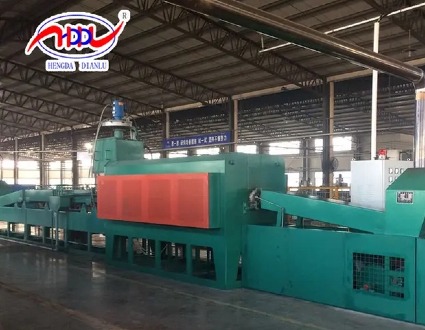
In industries where strong, clean, and precise metal bonding is required—such as aerospace, automotive, HVAC, power electronics, and metalworking—brazing furnaces are essential. Specifically, high-temperature brazing furnaces offer exceptional performance for joining materials like stainless steel, nickel alloys, titanium, and ceramics. These furnaces operate at temperatures often exceeding 1000°C and are designed to ensure reliable, repeatable brazing with minimal oxidation and excellent joint strength.
However, investing in a high-temperature brazing furnace is a significant decision. The equipment is complex, expensive, and plays a vital role in the production process. Therefore, selecting the right furnace requires a deep understanding of both technical requirements and production goals.
In this article, we explore the key factors you should consider when purchasing a high-temperature brazing furnace, ensuring your investment yields long-term performance, safety, and operational efficiency.
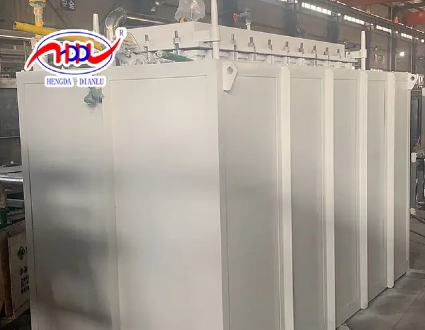
1. Define Your Application Requirements
The first and most critical step is to clearly identify your production needs. Consider what types of materials you will be brazing—stainless steel, aluminum, copper, titanium, or dissimilar metal combinations? Also, define the geometry of your components: Are you brazing small electronic assemblies or large heat exchangers?
Each application may demand specific furnace designs, heating zones, and atmosphere control. For example:
Brazing of nickel alloys may require vacuum conditions to avoid oxidation
Aluminum brazing is best done under a nitrogen atmosphere using CAB furnaces
Large parts may require furnaces with extended heating zones or vertical loading options
Understanding your application will help narrow down the correct furnace configuration, size, and thermal profile.
2. Operating Temperature and Uniformity
A high-temperature brazing furnace should be able to reach and maintain the required brazing temperature for your filler materials. Most industrial brazing operations require temperatures between 800°C and 1250°C, depending on the alloy being used. More advanced processes, such as ceramic-to-metal bonding, may require temperatures over 1300°C.
Just as important as reaching the right temperature is the uniformity of heat distribution. Uneven heating can lead to inconsistent joints, distortion, or incomplete filler flow. Look for furnaces that offer:
Multiple heating zones
PID temperature control systems
Real-time monitoring with multiple thermocouples
Insulated heating chambers that prevent heat loss and ensure even thermal exposure
A furnace with excellent temperature uniformity will ensure high brazing quality and product consistency.
3. Atmosphere Control: Vacuum or Controlled Gas
Atmosphere control is another crucial element in brazing. Oxidation during high-temperature processing can lead to poor joint integrity and reduced mechanical strength. Depending on your material and filler metal, you’ll need to choose between:
Vacuum brazing furnaces, which remove oxygen and contaminants, ideal for high-purity applications like aerospace, nuclear, or electronics
Controlled atmosphere brazing (CAB) furnaces, which use inert or reducing gases such as nitrogen or hydrogen, suitable for aluminum or steel parts
Partial pressure systems, which balance vacuum and gas flows to optimize cleanliness and wetting
Vacuum systems tend to be more expensive but provide exceptional joint cleanliness, particularly important in demanding applications. Consider your product’s tolerance for oxidation and the type of flux used (if any) before selecting the appropriate system.
4. Furnace Type: Batch, Continuous, or Semi-Continuous
Your production volume and throughput expectations will determine the furnace type:
Batch-type brazing furnaces are ideal for small to medium production runs. They offer flexibility, easy changeovers, and lower initial cost.
Continuous brazing furnaces (often mesh-belt or pusher-type) are designed for high-volume production with minimal downtime and consistent cycle times.
Semi-continuous furnaces combine elements of both, offering greater automation than batch systems but more flexibility than fully continuous ones.
If your operation demands 24/7 brazing of thousands of components daily, a continuous high-temperature brazing furnace is the best fit. However, if you deal with smaller production runs or a wider variety of parts, a batch furnace may be more economical and easier to maintain.
5. Loading Mechanism and Work Zone Size
When selecting a brazing furnace, the loading system should accommodate your product shape, weight, and thermal sensitivity. Options include:
Horizontal loading with mesh belts, trays, or conveyors
Vertical loading for long or cylindrical parts
Fixture-based loading for assemblies with tight tolerances
The usable work zone dimensions must be large enough to accommodate your biggest parts while optimizing load density. Over-sizing the furnace increases cost and energy usage, while under-sizing limits production flexibility. Be sure to consider both your current product range and potential future needs.
6. Automation, Controls, and Integration
Modern high-temperature brazing furnaces are often integrated into larger production lines. Consider a furnace that supports:
PLC or SCADA systems for real-time control and data logging
Touchscreen HMI panels for intuitive operation
Remote monitoring or Industry 4.0 compatibility
Automatic loading/unloading systems
Automation improves process repeatability, reduces labor costs, and enhances safety. If your production relies on lean manufacturing principles or traceability, having advanced control systems is vital.
7. Safety Features and Compliance
High-temperature equipment inherently carries safety risks. A reliable brazing furnace must include safety mechanisms such as:
Over-temperature protection and alarms
Gas leak detection for hydrogen or nitrogen systems
Vacuum chamber interlocks
Emergency shutdown systems
CE, UL, or ISO certification compliance
Ensuring that the furnace is compliant with local safety and environmental regulations is also necessary to avoid legal and operational issues.
8. Energy Efficiency and Insulation Design
High-temperature furnaces consume significant amounts of energy. A well-insulated furnace with advanced refractory linings, low-thermal-loss doors, and energy-efficient heating elements can significantly reduce operational costs.
Look for furnaces with:
Multi-layer insulation to reduce heat loss
Zoned heating to reduce energy waste when full power isn’t needed
Power management systems that optimize heat-up and cool-down cycles
Over time, energy-efficient systems will yield a strong return on investment (ROI) and reduce your plant's carbon footprint.
9. Service, Support, and Spare Parts Availability
Brazing furnaces are long-term assets, often in use for 10–20 years. Choose a supplier that offers:
Responsive after-sales service
Spare parts availability and delivery guarantees
Preventive maintenance programs
Operator training and technical documentation
Downtime due to furnace failure can be extremely costly. Partnering with a manufacturer that provides reliable technical support ensures long-term equipment health and uninterrupted production.
10. Supplier Reputation and Customization Capabilities
Finally, not all furnaces are created equal. Working with an experienced, reputable manufacturer ensures you get a system tailored to your specific needs.
For example, if you require a customized high-temperature brazing furnace with a specific vacuum level, gas flow system, or loading method, choose a supplier with proven engineering and customization capabilities.
At this point, we recommend exploring www.hengdabrazingfurnace.com, a leading manufacturer of high-performance brazing furnaces. HENGDA offers tailored solutions for industrial clients worldwide and specializes in vacuum brazing, atmosphere brazing, continuous furnaces, and more. Their expert team can help you evaluate your needs, design the right solution, and provide ongoing support throughout your furnace’s lifecycle.
Conclusion
Purchasing a high-temperature brazing furnace is not just about choosing a heating machine—it's about investing in the backbone of your metal joining operation. Whether your business is in aerospace, automotive, HVAC, or electronics, the right brazing furnace will help you maintain product quality, optimize cost, and scale efficiently.
By considering factors such as application requirements, temperature control, atmosphere type, automation, safety, and energy efficiency, you can select a furnace that supports both current production and future growth.
To explore advanced, customized brazing furnace solutions backed by professional engineering and global service, visit www.hengdabrazingfurnace.com and connect with a team that understands your industry and your goals.